Just How To Inform If Your Kid May Have Amblyopia (Lazy Eye)


Content Written By-Bengtsson Lundberg
Discovering your child have problem with their vision can be concerning. Amblyopia, commonly referred to as lazy eye, can materialize in refined ways. You could see them squinting or turning their head while focusing. It's critical to identify these signs early. So, what should you look for and how can you address it if you presume something's off? Understanding the signs and following actions can make a considerable difference in your child's aesthetic health and wellness.
Common Signs and Symptoms of Amblyopia
How can you inform if your kid might've amblyopia? Seek indications that suggest a potential trouble with their vision.
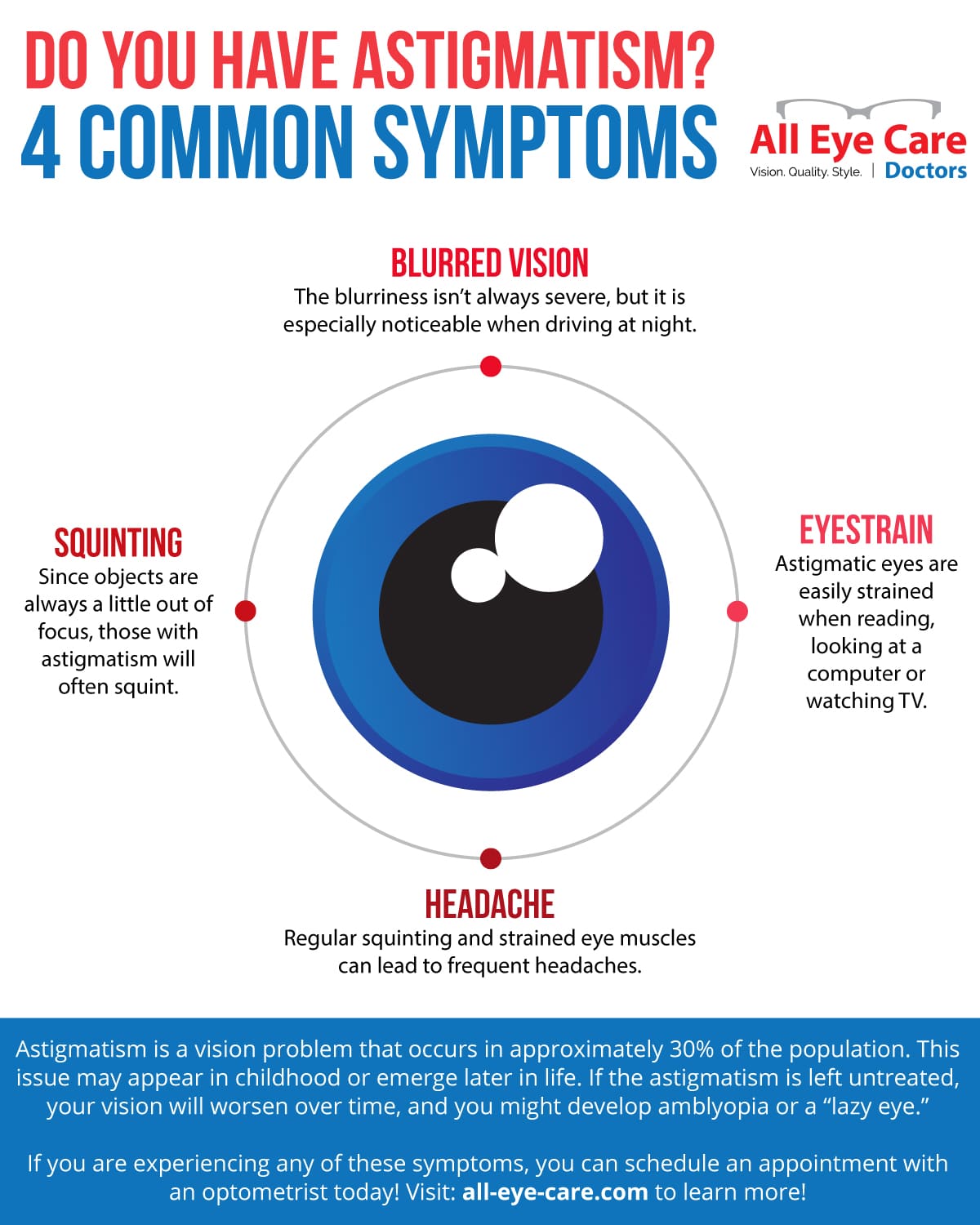
You might notice that your youngster struggles to see plainly out of one eye or regularly squints and turns their head while trying to concentrate. They might likewise have problem tracking moving things or whine regarding blurred vision.
If you observe them regularly covering one eye or experiencing migraines during analysis or close-up tasks, these might be warning indications.
Furthermore, watch for differences in eye positioning; one eye may wander inward or external.
If you notice any one of these signs, it is very important to talk to an eye treatment professional for a detailed evaluation. Early discovery can lead to better end results.
Risk Aspects and Causes
Comprehending the risk elements and reasons for amblyopia can aid you identify possible concerns beforehand. Numerous variables can add to the growth of this problem.
For example, if your child has a family background of amblyopia, they may go to a higher danger. Various other eye problems, such as strabismus (gone across eyes) or substantial refractive mistakes (like nearsightedness or farsightedness), can also bring about amblyopia.
In addition, if your youngster experienced trauma or an eye injury, it might raise their possibilities of establishing this condition. Early birth or low birth weight may further raise the danger.
Tips to Take if You Suspect Amblyopia
If you think your youngster has amblyopia, it's vital to act rapidly to ensure appropriate diagnosis and treatment. Beginning by arranging an eye test with a pediatric eye doctor. They'll conduct a comprehensive examination to verify whether amblyopia exists.
Observe your youngster's habits-- do they squint, tilt their head, or cover one eye? These indicators can provide useful insights. Motivate your child to interact about any vision troubles or discomfort they experience.
If diagnosed, comply with the treatment strategy, which might include glasses, patching the stronger eye, or vision therapy. Keep involved and supportive throughout the process, as early treatment commonly results in much better outcomes.
Screen progress and preserve regular follow-up consultations to track your kid's vision enhancement.
Final thought
If you observe signs of amblyopia in your youngster, don't be reluctant to seek assistance. Early detection is key to efficient therapy, so arranging an eye test with a pediatric eye doctor is critical. By addressing https://gulfnews.com/uae/health/doctor-warns-of-lasik-surgery-risks-1.2016878 of later on, you can assist your youngster improve their vision and general quality of life. Keep in https://www.si.com/nba/2020/04/28/nba-players-going-back-to-school-coronavirus , being positive regarding their eye health can make all the distinction in their advancement and confidence.